It’s never easy to design a website from scratch and deliver an exceptional user experience. Still, web design theme templates remove many pain points from this process.
You must start with several considerations, like responsive design, compatibility across several browsers, easy navigation, how it fits your branding, and an attractive layout.
48% of internet users view web design as crucial to business credibility. This statistic shows how important it is to consider web design templates to succeed.
This article will define web design theme templates, their pros and cons, and how they relate to IT management. After reading, you’ll understand the significance of web design templates in your organization’s success and enjoy limitless IT benefits.
Table of contents
What are web design theme templates?
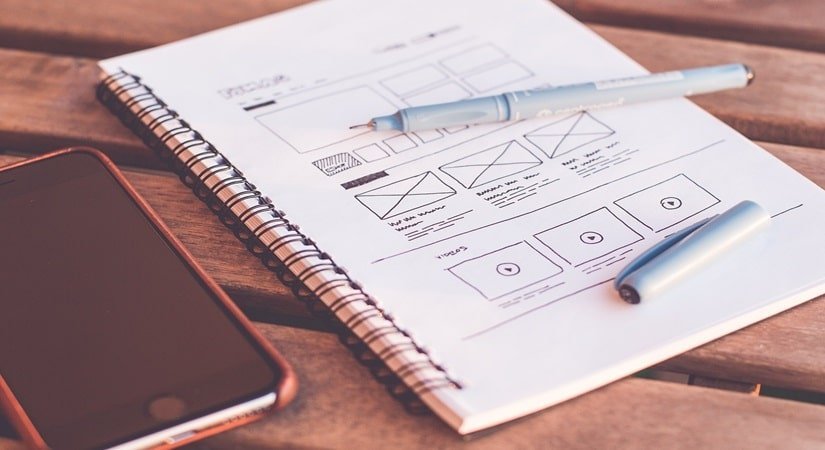
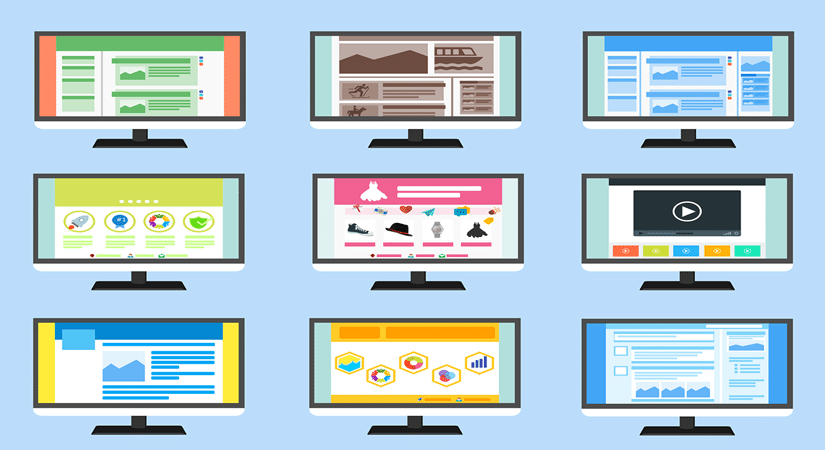
Web design theme templates are pre-made layouts with a website’s structure and visual and functional elements for landing pages, blog articles, and every other web page. Using them correctly and choosing the best ones for your needs builds the foundation for your online presence and helps establish your brand.
These templates include design features like images, fonts, colours, and page layouts that make the website look nice and easy to use, boost web performance, and encourage visitors to return.
Using these templates means you don’t have to worry about coding everything from the beginning. You can get started quickly and create a professional-looking website.
When used correctly, these templates also help showcase your brand and give customers an idea of what to expect from your products or services.
Pros of web design theme templates
There are several pros to using web design theme templates. Templates make website design easy and fast, keep prices affordable, and offer plenty of choice. Many businesses even pair them with a graphic design subscription service to ensure consistent branding, custom visuals, and ongoing creative support. Consider these advantages before investing in a web design service or use them to optimize how you currently use templates.
Fast, Easy Set-Up
When developers make a template, they know it will be used for many different tasks by people with different levels of experience. Because of this, templates usually come with lots of helpful tools, settings, and options that make building a website easier. They also give you flexibility in how you want your site to look.
If you’re new to building websites, templates give you a simple structure to add your content quickly. If you’re more experienced, you can use the template as a starting point and make more advanced changes to fit your needs.
Low Prices
Website templates are not only easy to set up, but they also save you money in many ways. The price of the template itself is usually low (around $60-$120), and you can save even more by using the built-in features instead of spending extra time or money on development.
You can also use the best IT reporting software to help you build metrics to discover insights into how well a new web design theme template service is working.
Whether you hire a web design company or set up the site yourself, using a template will save you a lot of time and money compared to creating a custom website from scratch.
Plenty of Options
You’ll find thousands of results if you search “WordPress Templates” on Google. When you use a template, what you see is what you get so you won’t be surprised by the final result. With so many choices, picking the best template for your website’s needs is the hardest part.
Built-in Features
Website templates often come with many helpful features, like SEO tools and easy editing. When managing your website, these features can save you time, money, and effort.
Consistent Updates
When you buy a website template, you usually get updates and support in the future. This helps keep your website working well and fixes any problems. Sometimes, updates to platforms like WordPress can cause issues, but knowing that the template developers are available to help is a big advantage.
Get What You See
When you use a website template, you can see exactly what the final website will look like. Before deciding, you can check the design, colors, fonts, and overall look. This preview lets you decide if the template fits the style and feel you want for your website.
Most template providers also let you try out a demo version so you can see how the site will work, how pages are set up, and how easy it is for users to navigate before making a choice.
Cons of Web Design Theme Templates
Unfortunately, templates for your website design have drawbacks and advantages, like everything in life. It’s essential to know these drawbacks to optimize the way you use these templates. The first reality to consider is that the template will still need work after you use it to build a website.
The good news is that when you are aware of these cons, you can avoid wasting resources by investing in these templates if they make them impractical.
Template Designs Need Additional Work
One issue with website templates is that they often look similar to other sites. Since templates are pre-made and available for anyone, many businesses end up with websites that look the same.
This drawback can make it harder to create a unique website that stands out from your competitors. While templates can be a good starting point, they usually need extra work to make them different.
By making small changes, like adjusting colors or fonts or using some coding skills, you can improve the design and make your site look more original. However, making these changes can take time and effort.
Limited Template Customization
Many website templates allow some customization, but the options are often limited. This means you can change certain things like text, colours, or images, but there may be fewer choices for adjusting more advanced features.
If you want to make bigger changes, like adjusting the layout or adding special effects, you may need to use other tools or learn coding. While templates can help you get started quickly, they may not give you all the flexibility you want.
For beginners, customizing beyond the basic options might be complex and require extra coding and web design skills or knowledge.
Extra Features Means Extra Fees
Some extra features might cost more money when you use a website template. While many templates are free or inexpensive, they often lack the necessary tools.
For example, if you want advanced features like online shopping, contact forms, or custom sliders, you may have to pay for additional plugins or upgrades. These extra costs can add up quickly.
Some templates offer only basic features; to unlock the more advanced ones, you may need to buy a premium version or add-ons. If you have a tight budget, using templates can be more expensive than you expected.
Integration Can be Challenging to Implement
Templates come with a fixed design and certain coding rules that may not work well with all types of external applications or features. If you want to add something extra to your website, like a new tool or service, it might not fit perfectly with the template.
Sometimes, the design or code of the template can clash with new features, causing errors or problems. In some cases, it can be hard or even impossible to add these extra tools without changing the template’s code a lot. This may require more advanced coding skills or even more money to fix, especially if you need help from professionals.
Lack of Support
One downside of using free website templates is that they sometimes come without much support to help your staff if they struggle to use them. If you have trouble setting up your website or need help with changes, you might not be able to get help easily. While paid templates often include customer service and support, free ones don’t always offer the same level of assistance.
This issue can be frustrating if you run into problems, as you might have to figure things out independently. Without support, it can take longer to fix problems, and your website might not work as well as it should, slowing down your progress.
What is the role of web design theme templates in IT management?
There are many reasons why developers don’t see the value in web design templates alone. IT managers also see the significance of focusing on IT management best practices, saving money and time that can be used for innovation and growth.
Faster Website Deployment
Web design templates make it quicker and easier for IT teams to build websites and get them running. Staff can then save time on development, driving more efficient project launches and optimal resource use.
Reduced Development Costs
You’ll quickly notice that templates have built-in features and designs. IT managers can use these to save money they usually waste on custom coding. In this way, they can lower development costs, freeing up cash for innovation elsewhere in the IT management budget.
Standardization Across Projects
If all staff involved in website building use the same templates, there is consistency across websites and pages within your organization. IT managers are essential in this streamlined process as they can encourage staff to follow the same practices and guidelines.
Easier Maintenance and Updates
IT teams often enjoy using templates because they simplify updates and maintenance. Many templates come with integrated content management systems (CMS) such as WordPress, streamlining the process of fixing bugs and implementing updates.
Enhanced Security Features
Many premium templates are regularly updated by their developers to fix security issues. These templates can help IT teams maintain a secure website without designing and implementing security features from scratch.
Consider web design templates’ role in optimizing their use in IT management.
Know the pros and cons of web design templates to satisfy customers
When you know all the pros and cons of website design templates, you can use them to satisfy customers and increase revenue.
The first way these templates satisfy customers is through faster website launches. Customers love it when websites spring up fast in a pleasing, quality form. This point means faster and more business for your company as you hit deadlines and take on new projects, which can boost your productivity and reputation as a workhorse of your industry.
The next benefit is consistent quality and design. The template offers professional, polished website designs that please the eye and function effectively across devices, ensuring a positive customer experience and keeping them satisfied.
Every company cares about costs and profits, and templates provide benefits. Customers get a website that meets their expectations at lower costs because templates reduce the time and expenses to go live. Companies save development and design money to offer competitive pricing alongside profitability.