


Web design has undergone significant changes from its technical origins, evolving toward a user-focused methodology that prioritizes usability and accessibility.
This evolution is not merely about aesthetics but about creating digital experiences that resonate with human beings on a deeper level. The integration of new technologies, such as AI and mobile optimization, continues to reshape how users engage with website design and website performance, making interactions more intuitive and personalized.
AI’s emergence in web design is revolutionizing the industry by enhancing user experience and streamlining the website creation process.
This ai technology enables the creation of smarter digital tools that understand and anticipate user needs, making interactions feel more natural and human-like. It’s a testament to how past experiences in web design inform future ai development, highlighting ai’s ability to adapt and innovate in digital design and ai systems.
Human-centered design, a methodology that prioritizes the needs and perspectives of users throughout the development process, has become a cornerstone of modern web development. This approach is characterized by:
- Continuous feedback loops where user input is integrated at every stage to enhance usability.
- Involvement of diverse stakeholders to foster collaboration and lead to more innovative solutions.
- Empathy, which guides designers to understand user contexts and behaviors deeply.
The Shift Toward Human-Centered Web Design
The modern user expects more than just visually appealing sites—they crave intuitive, personalized, and engaging interactions.
Recent web design trends indicate a significant shift toward creating user-centric experiences that prioritize individual needs and user preferences, aligning with user expectations. This shift is revolutionizing web design by making it more about the user experience and less about the technicalities, ultimately aiming to enhance user experience. Additionally, keeping an eye on website design trends is essential for staying relevant in this evolving landscape.
One prominent trend is emotional design, which focuses on understanding and catering to human emotions.
Integrating empathy into the design process allows web designers to create meaningful interactions that resonate deeply with users. This approach enhances user engagement by making digital experiences more relatable and memorable.
Inclusivity and accessibility have also become vital aspects of modern web design. Making websites accessible to all users, including those with disabilities, is both a legal and moral obligation.
Features like screen readers for visually impaired users and keyboard navigation for those with motor impairments are essential in creating inclusive web experiences. Accessibility features enhance user engagement and ensure seamless interaction with digital content for everyone.
Storytelling techniques, such as ‘scrollytelling,’ are being increasingly used by web designers to engage users by creating narrative-driven experiences.
This design trend allows users to interact with content in a more immersive and engaging way, making the browsing experience more enjoyable with dynamic cursor effects.
Additionally, the rise of no-code tools is empowering non-technical users to create tailored websites without programming knowledge, further democratizing the web design landscape for the web designer and enhancing their unique value proposition.
Smarter Digital Tools as Creative Partners
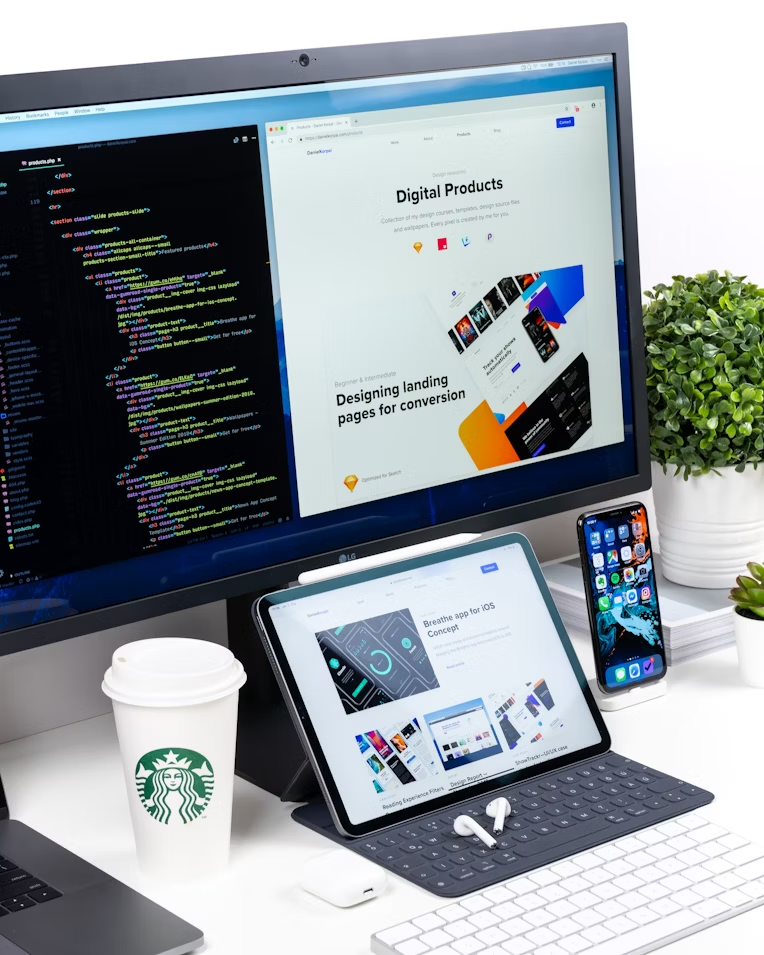
In the evolving digital landscape, technology acts as a co-creator rather than just a backend enabler. From design automation to content personalization, digital tools are becoming essential collaborators in building humanized online spaces within a digital environment.
These smarter digital tools are not only enhancing user engagement but also revolutionizing web design by allowing for more personalized and dynamic interactions. Much of this adaptability is made possible by AI Agent Frameworks, which provide the underlying structure for intelligent systems to coordinate behavior, context, and user intent across digital experiences.
AI-powered tools are at the forefront of this transformation, enabling web designers to create engaging and personalized user experiences. While AI tools help automate repetitive design tasks, truly seamless experiences are built when designers and engineers work side by side. This is why many teams hire software developers in India combining local design leadership with offshore development talent to build personalized and scalable digital products.
These tools, often developed by an AI development company, leverage machine learning to analyse user data and predict user intent, allowing for the creation of interfaces that adapt to individual user interactions. Such personalization ensures users feel understood and valued, leading to higher engagement and satisfaction. Additionally, ai powered design tools enhance the capabilities of web designers in crafting these experiences.
Augmented reality and other immersive technologies are also becoming integral parts of the web design toolkit.
These technologies create engaging and interactive experiences that captivate users and make digital interactions more memorable. By integrating these tools into the design process, web designers can push the boundaries of what is possible in the digital realm, including virtual reality, creating unique value propositions for businesses and users alike.
Enhancing Personalization with Virtual Assistance
Virtual assistants and voice assistants have emerged as powerful tools in enhancing user engagement and personalization on websites.
Virtual assistants enhance digital interactions by answering questions, guiding decisions, and simplifying navigation, making them feel more conversational and human-like. This level of personalization can lead to significant improvements in user experience, customer satisfaction, voice commands, and voice user interface.
Generative AI has significantly enhanced the capabilities of virtual assistants, allowing them to understand and respond to complex conversations more effectively.
For example, companies like Sephora are using generative AI to create personalized shopping experiences that adapt to individual customer preferences and past behaviors. This level of personalization not only improves customer satisfaction but also drives sales and retention.
Multilingual support from AI-powered assistants, such as Aura by Telefónica, allows for personalized communication across diverse cultural backgrounds.
This capability ensures that users from different linguistic and cultural backgrounds can interact with websites in a personalized and meaningful way. By catering to a global audience, businesses can enhance user engagement and build stronger connections with their customers through natural language processing and conversational interfaces.
Bringing Websites to Life with AI Avatars
AI avatars are transforming the way users interact with websites, bringing a more relatable and human touch to digital experiences.
These visual and voice-based digital characters can communicate with users, providing interactive and personalized experiences that enhance user engagement. By making interactions more dynamic and personable, AI avatars are revolutionizing web design.
Different types of AI avatars serve various functions, from talking head avatars for video content to chat-based avatars for customer support. To make engaging visual content even more versatile, creators often pair avatars with a video to GIF converter for creating short, shareable animations. These avatars can be customized to reflect a brand’s identity and cater to the preferences of its audience.
By tailoring their appearance, voice, and interaction style, businesses can create AI avatars that resonate with their users and enhance their digital presence.
Real-life applications of AI avatars are diverse, ranging from education and customer service to e-commerce. For example, AI avatars can provide personalized learning experiences in educational settings or offer tailored recommendations in e-commerce platforms.
These applications showcase the versatility of AI avatars and their potential to enhance user engagement across various sectors.
Balancing Automation and Authenticity
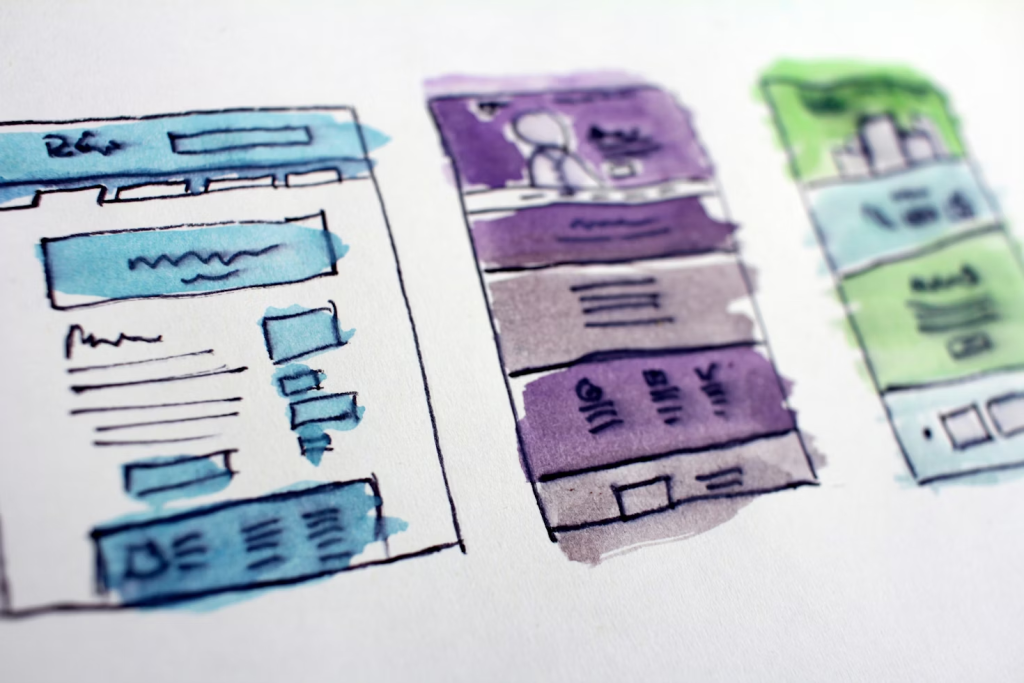
While digital tools like AI can significantly enhance the efficiency of content development, it’s crucial to balance automation with authenticity.
AI tools can automate repetitive tasks and streamline processes, but relying solely on technology can result in generic outcomes that undermine a brand’s identity. Knowing when to leverage AI for tasks like keyword research and when to rely on human intuition and emotional understanding is essential for maintaining authenticity.
A hybrid workflow that combines AI for initial drafting and human oversight for refining tone and strategy delivers the best results. This approach includes:
- Using AI for initial drafting
- Employing human editors to refine tone and strategy
- Ensuring content remains engaging and true to the brand’s voice
- Having human editors review AI-generated content before publication
- Running AI-generated content through a plagiarism checker to ensure originality
- Making sure the content aligns with the brand’s values and resonates with the target audience.
Organizations should:
- Establish clear guidelines for AI tool usage, delineating which tasks can be automated and which require human creativity.
- Invest in AI literacy and creative skill development to allow teams to effectively leverage AI while enhancing their unique capabilities.
- Balance technology-driven efficiencies with authentic brand storytelling to ensure digital interactions remain engaging and meaningful.
The Future Outlook
Looking ahead, the future of web design is poised to be more immersive, dynamic, and personalized.
Anticipated web design trends for 2024 include a strong focus on immersive 3D design elements, which create engaging and visually stunning experiences. These elements can captivate users and enhance the overall user experience, making digital interactions more memorable.
Hand-drawn animated sketches are becoming popular as a method to add a personal touch to websites.
These sketches can make websites feel more relatable and human, bridging the gap between digital and physical interactions. The rise of AI-generated art tools like MidJourney and DALL-E 3 is also expected to influence content creation, allowing for unique and creative visual elements.
New layout trends like Bento UI grids are emerging, enhancing user experience by organizing content more effectively with graphic elements.
These grids provide a clean and intuitive interface, making it easier for users to navigate and interact with digital content. Additionally, gradients and glowing effects are gaining traction, creating visually appealing and dynamic web designs.
The future of web design lies in the seamless integration of AI with human creativity. Using AI-powered adaptive interfaces and tools that blend human emotion with digital efficiency, designers can amplify human connection through technology.
This approach ensures that the future of web design is not about replacing humans but about enhancing and enriching human experiences.
Frequently Asked Questions
What is human-centered web design?
Human-centered web design focuses on understanding and addressing user needs and perspectives, ensuring that digital products are usable and accessible. By emphasizing empathy and ongoing feedback, it creates solutions that effectively fulfill user requirements.
How do AI avatars enhance user engagement?
AI avatars significantly enhance user engagement by delivering interactive and personalized experiences that make digital interactions feel more dynamic. Their ability to serve various roles, from content presenters to customer support agents, allows them to align closely with a brand’s identity.
What are the benefits of using virtual assistants on websites?
Using virtual assistants on websites significantly enhances user engagement and satisfaction by providing personalized support, guiding decisions, and simplifying navigation. This tailored experience not only increases customer retention but also fosters deeper connections with users.
How can web designers balance automation and authenticity?
Web designers can effectively balance automation and authenticity by leveraging AI for efficiency while employing human oversight to ensure creativity and brand identity. This approach allows for an efficient workflow that preserves the engaging and authentic nature of the content.
What web design trends are expected to shape the future?
Immersive 3D design, hand-drawn animations, AI-generated art, and innovative layouts like Bento UI grids are set to transform web design, enhancing user engagement and visual appeal. Embracing these trends will be crucial for creating compelling digital experiences.

